Records in Shiga

Samebito

鮫人(さめびと)

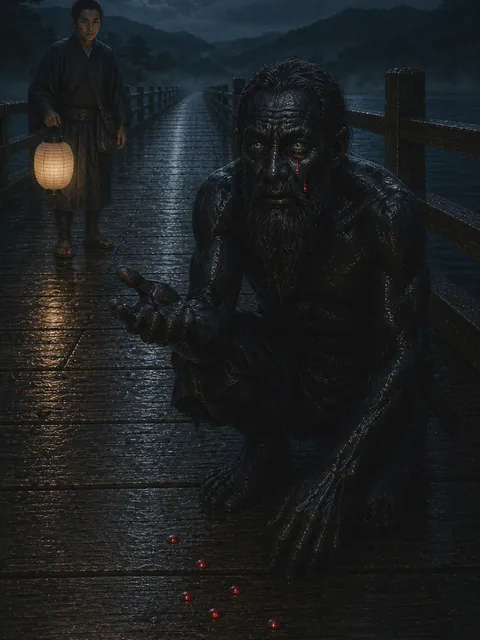
In a story Lafcadio Hearn published in English in 1900, a man on the Long Bridge of Seta shelters a creature banished from the Dragon Palace — and is repaid in tears that harden into jewels, which only come when the grief behind them is real.

  • Pond · River · Sea
  • Helpful

Danger 1/5 Editorial rating Danger rating 1 out of 5. This is an editorial rating, not a folklore measurement.

  • 1900 Long Bridge of Seta, Lake Biwa Legend or tale

    Hearn: the exile from the Dragon Palace whose tears became rubies
Ōmukade

大百足(おおむかで)

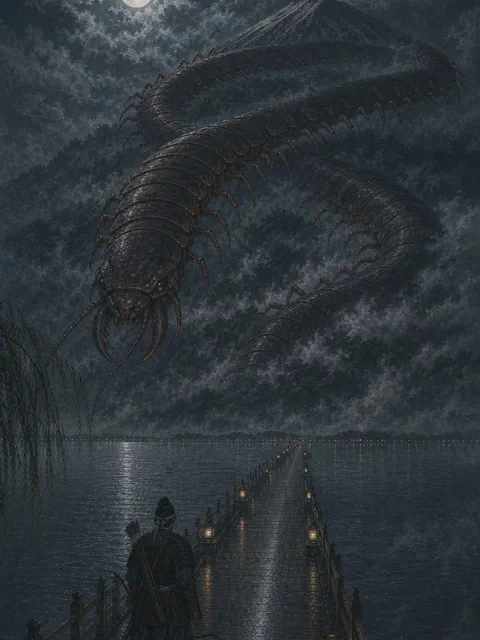
A warrior who walked over a serpent lying across the Long Bridge of Seta was asked by the dragon clan for help — because a centipede large enough to wrap a mountain was killing them, and they could not stop it themselves.

  • Mountain · River
  • Harmful

Danger 5/5 Editorial rating Danger rating 5 out of 5. This is an editorial rating, not a folklore measurement.

  • undated Mt. Mikami and the Seta Bridge Legend or tale

    Tawara Tōda's third arrow, wetted with saliva

Shuten-dōji

酒呑童子(しゅてんどうじ)

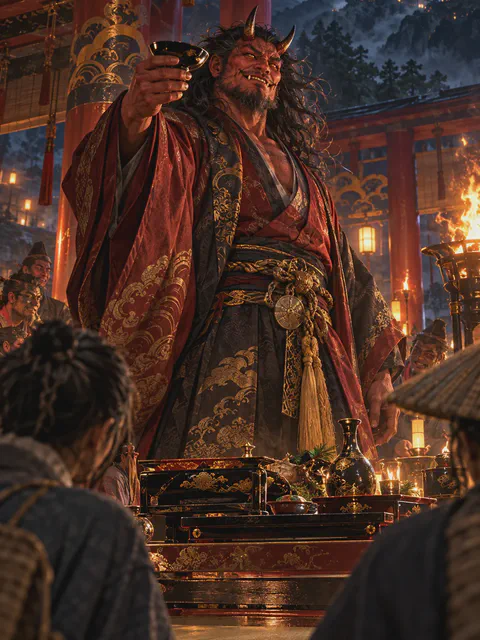
The tale of Shuten-dōji appeared in the fourteenth century: an oni lord on Mt. Ōe who carried off the daughters of the capital, and the warriors who got in disguised as monks and defeated him with sake.

  • Mountain
  • Harmful

Danger 5/5 Editorial rating Danger rating 5 out of 5. This is an editorial rating, not a folklore measurement.

  • undated Mt. Ibuki Legend or tale

    Ibuki tradition of the same tale

Tsurube-otoshi

釣瓶落とし(つるべおとし)

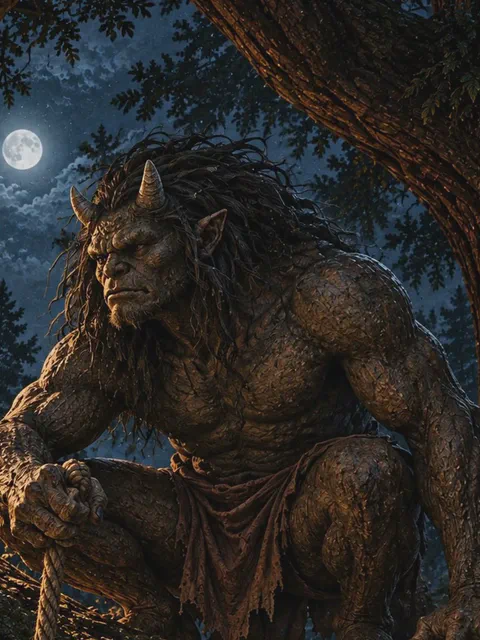
The bucket that drops from tall trees: a 1938 record of two Aichi stories, one of a sudden fall and one of an oni in a cedar with a golden bucket, the laughing voice in the Kameoka trees that asks whether the night work is done, the Fukui zelkova, the severed heads of the Kyoto pines, and the fireball of the 1686 ghost-story book.

  • Forest · Road
  • Harmful

Danger 3/5 Editorial rating Danger rating 3 out of 5. This is an editorial rating, not a folklore measurement.

  • undated Hikone Legend or tale

    From a branch it drops its bucket at passers-by

Nozuchi

野槌(のづち)

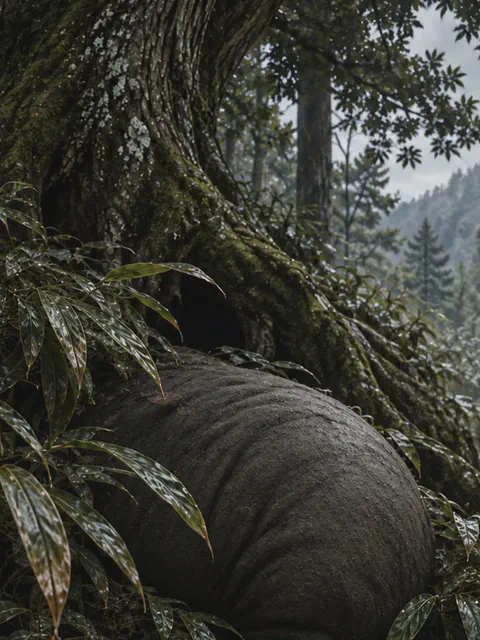
The yokai with four bodies: the thick, short monster that comes out of the dwarf bamboo in a 1935 Nagano record, the field spirit of the Kojiki, the mouth-only beast a lax monk of Mount Hiei was reborn as, the handle-less mallet of a snake in the Yoshino mountains of 1712, and the rolling nozuchi of Gifu, Nara and Wakayama that the word tsuchinoko later absorbed.

  • Forest · Mountain · Field
  • Mixed

Danger 3/5 Editorial rating Danger rating 3 out of 5. This is an editorial rating, not a folklore measurement.

  • 1283 Mount Hiei Legend or tale

    A scholar-monk careless of the precepts is reborn as a nozuchi, a beast of the deep mountains with a mouth and no eyes, nose, hands or feet

Tesso

鉄鼠(てっそ)

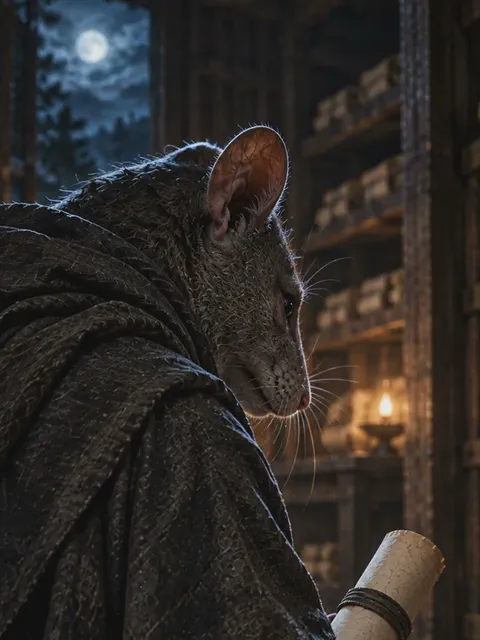
The legend of the Mii-dera monk Raigō: the prayer for Emperor Shirakawa's heir and the refused ordination platform, the Heike monogatari telling that has no rats in it, the Taiheiki's eighty-four thousand rats with iron teeth on Mount Hiei, the small shrines at Mii-dera and Sakamoto, and the name Tesso that Sekien gave it in 1776.

  • Temple or shrine · Mountain
  • Harmful

Danger 3/5 Editorial rating Danger rating 3 out of 5. This is an editorial rating, not a folklore measurement.

  • undated Mount Hiei (Enryaku-ji), Ōtsu Legend or tale

    In the Taiheiki, Raigō's ghost becomes eighty-four thousand rats with iron teeth and stone bodies that climb the mountain and gnaw its images and sutras

  • undated Mii-dera (Onjō-ji), Ōtsu Site

    The Jūhachi Myōjin beside the steps to the Kannon hall is called Nezumi no Miya and is said to face north toward Mount Hiei because it keeps the spirits of the rats

  • undated Sakamoto (Hiyoshi Taisha), Ōtsu Site

    The Nezumi-sha, a subsidiary shrine, is linked to the rat shrine with which the monks of Mount Hiei quieted Raigō; a shrine record explains it as the shrine of the zodiac Rat

Records Library: Shiga

Places to visit in Shiga

  • Seta no Karahashi 瀬田の唐橋 Site Ōtsu, Shiga — The bridge at the outlet of Lake Biwa where a hero shot the centipede of Mount Mikami and a shark-man wept rubies.
  • Mount Mikami 三上山 Site Yasu, Shiga — The conical mountain east of Lake Biwa that the great centipede wound itself around, climbed in forty minutes from the shrine at its foot.

Places to Visit