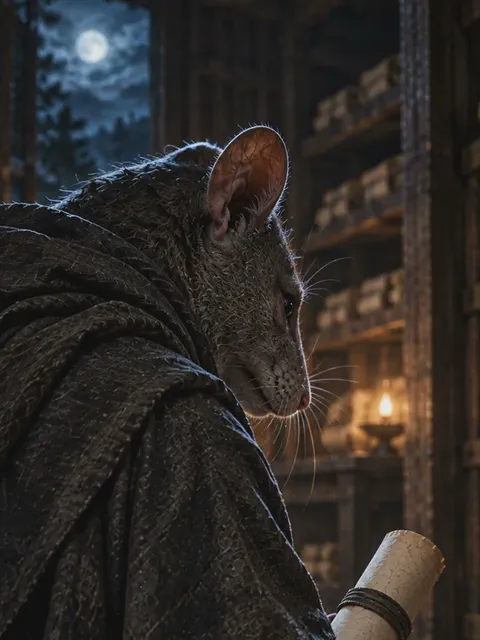
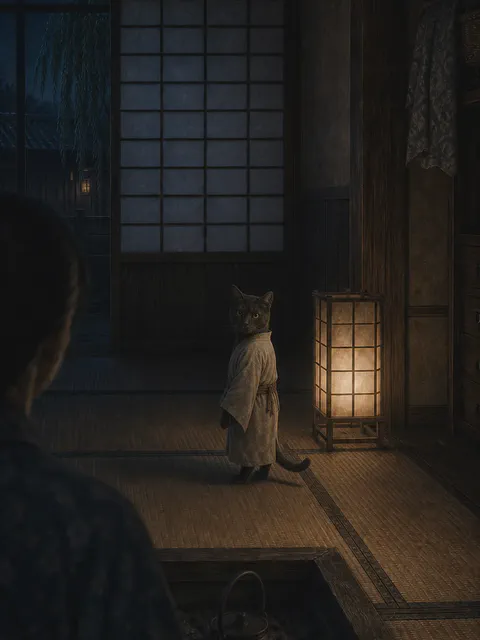
Bakeneko
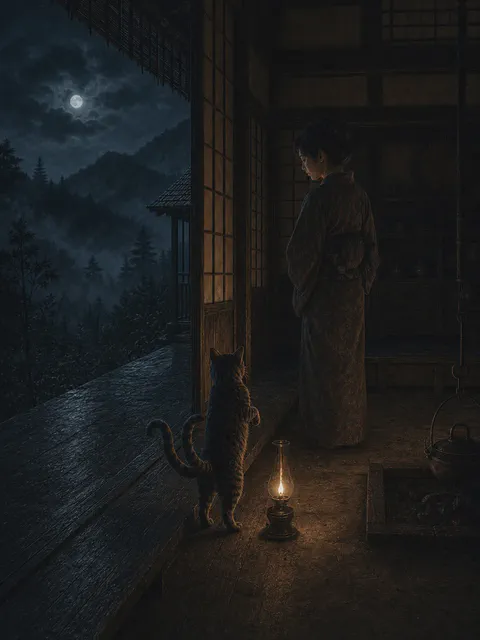
化け猫(ばけねこ)
Stories of old cats that speak, perform, dress like people or take human form—and the separate cat yokai they keep getting confused with.
Yokai that are animals, and animals that became something else
Many yokai are animals, or wear an animal’s shape. Some are ordinary creatures — a fox, a household cat, a river otter — that take human form. Others are beasts nobody has caught: a weasel too fast to see, a shark with a hooked tail, a centipede wrapped around a mountain. Find the animal below.
26 yokai
化け猫(ばけねこ)
Stories of old cats that speak, perform, dress like people or take human form—and the separate cat yokai they keep getting confused with.
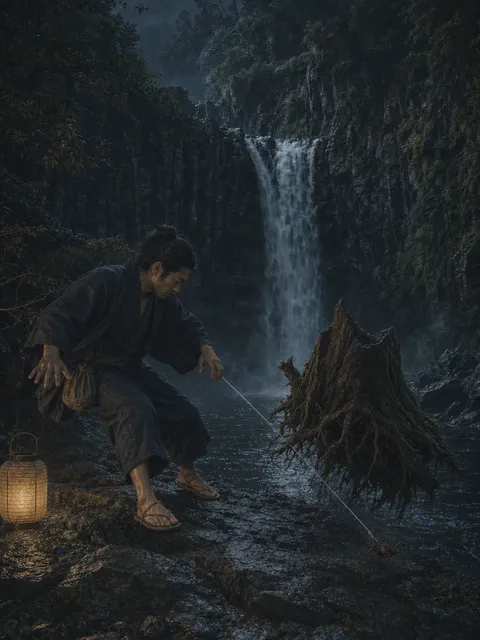
絡新婦(じょろうぐも)
At a waterfall in Shizuoka, a spider winds one fine thread around a man's foot—and reveals enough strength to tear a mulberry stump from the earth.
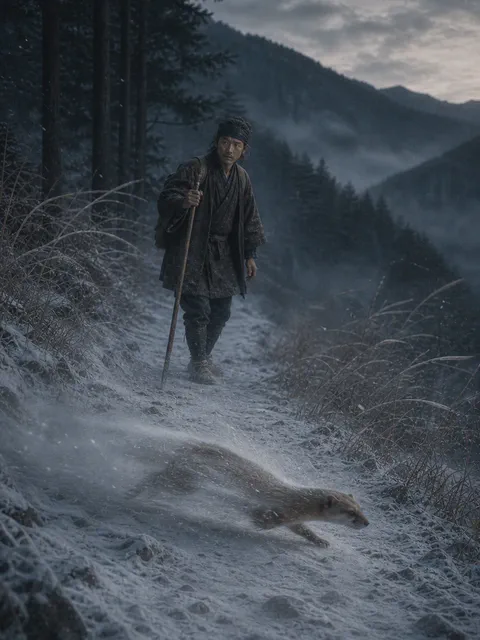
鎌鼬(かまいたち)
In Nagano in 1955 the kamaitachi was a weasel so fast that no one had ever seen it — known only by the clean cut it leaves on a stumbling traveler's shin.
猫又(ねこまた)
A 1931 Kagawa record describes an aging cat whose tail divides in two and that rises to dance on its hind legs.
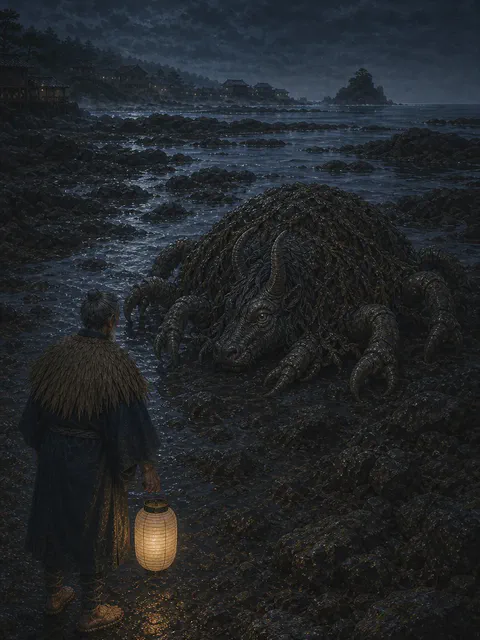
牛鬼(うしおに)
Toriyama Sekien's 1776 print shows a bull-like head on a squat clawed body at the water's edge — and tells us nothing else about it.
送り犬(おくりいぬ)
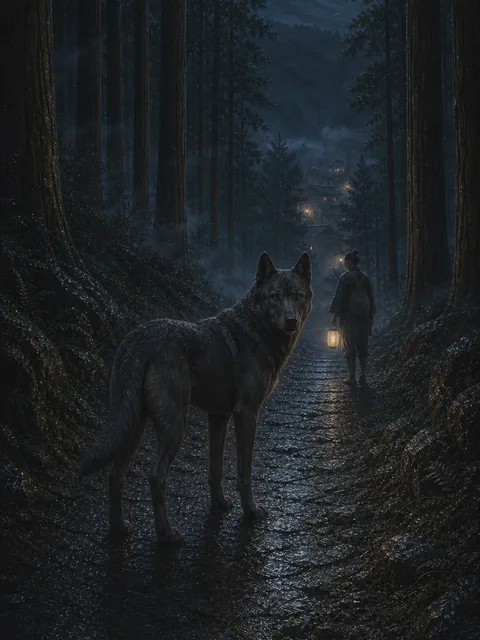
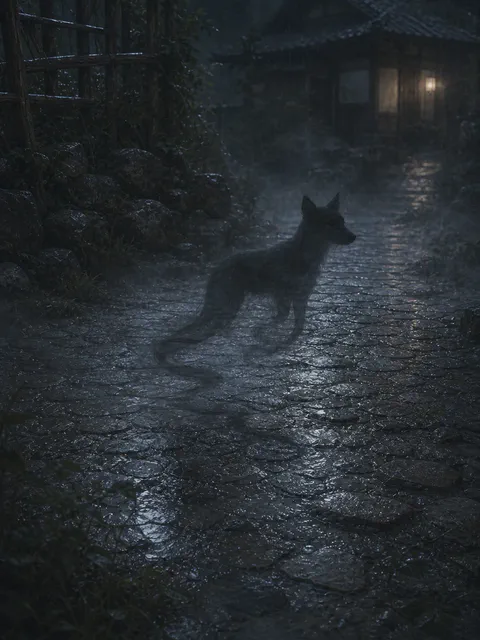
A 1936 Gifu account describes a mountain dog that follows a traveler all the way to his door — and leaves only after salt and a word of thanks.
鵺(ぬえ)
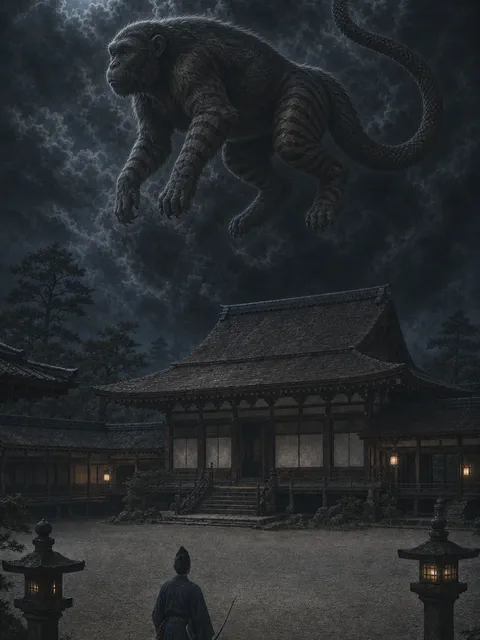
In The Tale of the Heike, a black cloud and a bird's cry sicken the emperor until an archer shoots the creature down — and the versions disagree on what fell.
狐(きつね)
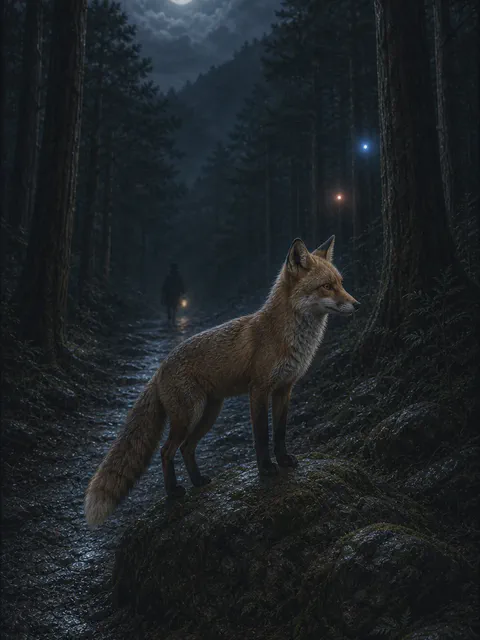
A 1930 account from Toyooka describes blurred blue or red foxfire moving restlessly from beyond the mountain to somewhere close by.
化け狸(ばけだぬき)
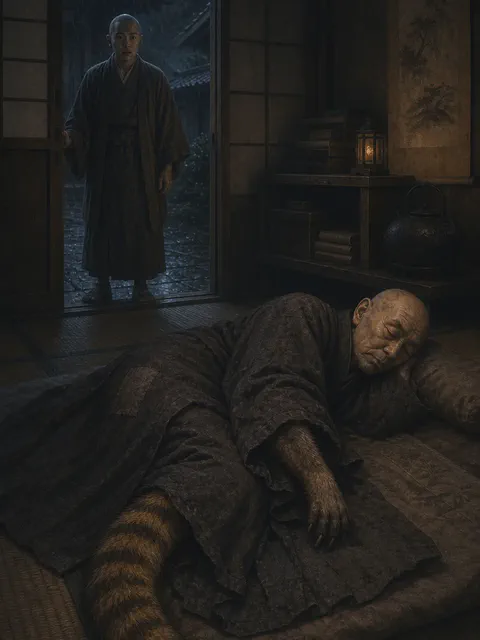
Morinji tradition tells of the monk Shukaku, an inexhaustible iron kettle, and the mujina or tanuki form revealed while he slept.
犬神(いぬがみ)
A possessing spirit of western Japan with no agreed-upon body — and a label that excluded entire households from marriage and community life.
川獺(かわうそ)
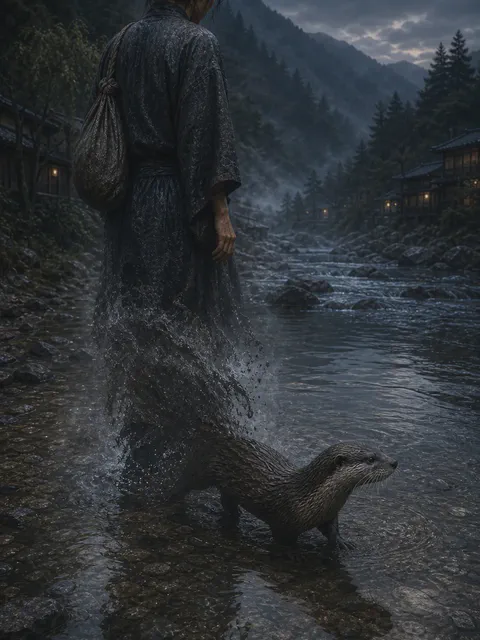
In Gunma in 1956 the kawauso was a figure on a riverside road at dusk who glances back and beckons — not a traveler, but an otter in human form.
野衾(のぶすま)
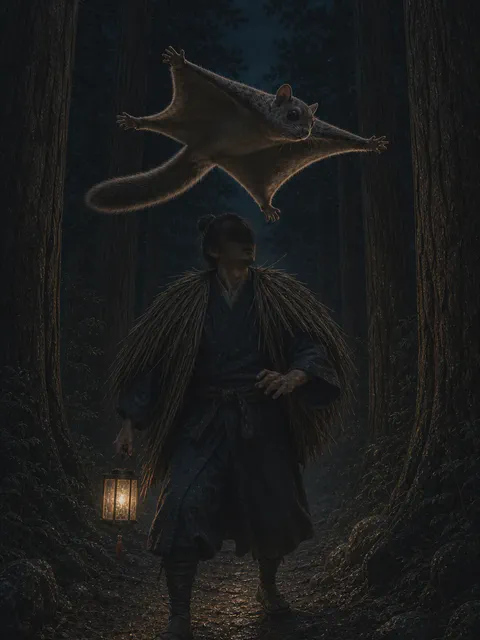
A 1938 Tokyo record describes something like a flying squirrel that drifts down onto a traveler and covers the eyes and mouth — and stops there.
雷獣(らいじゅう)
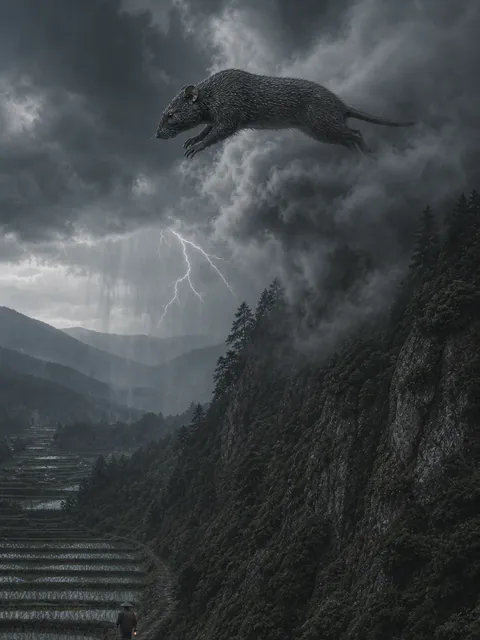
An Edo-period account from Shimotsuke describes a mouse-like animal that waited in a mountain hole each summer until its own thundercloud came to collect it.
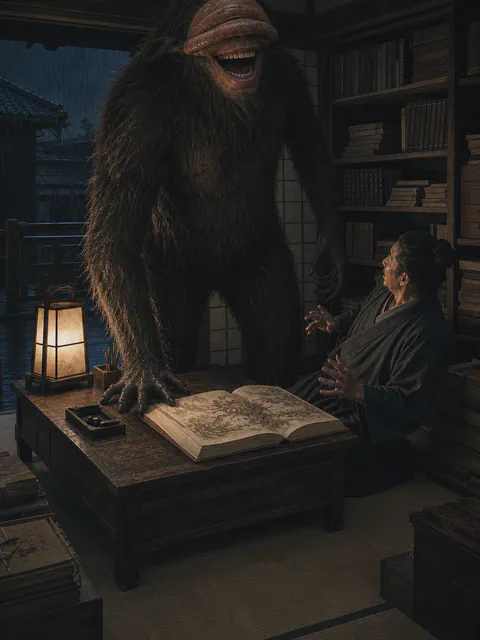
狒々(ひひ)
A 1712 Japanese encyclopedia compiled older Chinese descriptions of a black-haired, long-lipped creature that laughs when it sees a person — and whose upper lip then rolls up over its own eyes.
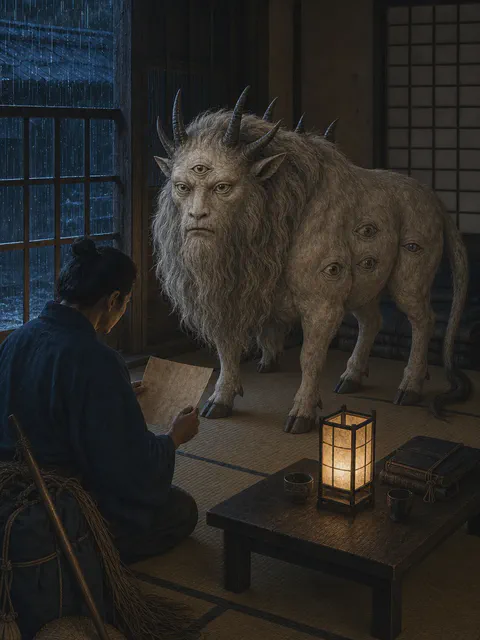
白澤(はくたく)
A beast from Chinese legend that named every harmful thing in the world for the Yellow Emperor, and whose image — nine eyes, six horns, a human face — was carried by Edo travelers and set beside pillows during the cholera epidemic of 1858.
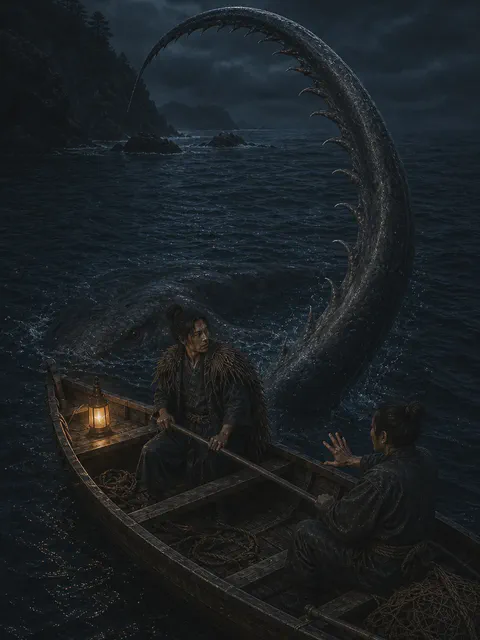
磯撫で(いそなで)
In the 1841 Ehon Hyaku Monogatari a shark-like creature of the western sea attacks with its tail — and in Kumano in 1960 the name was still the thing people said when someone died at the shore.
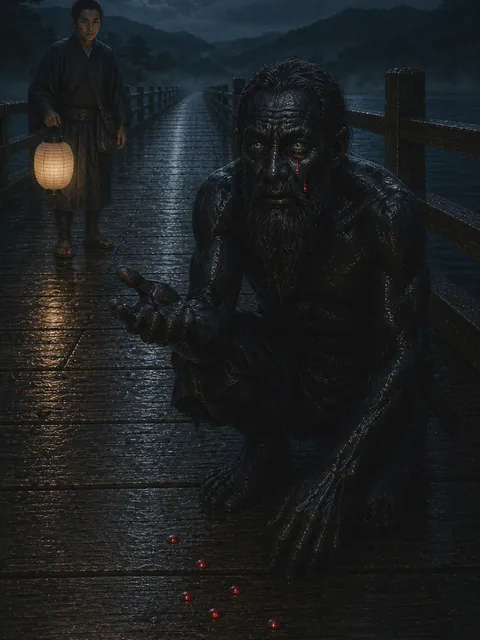
鮫人(さめびと)
In a story Lafcadio Hearn published in English in 1900, a man on the Long Bridge of Seta shelters a creature banished from the Dragon Palace — and is repaid in tears that harden into jewels, which only come when the grief behind them is real.
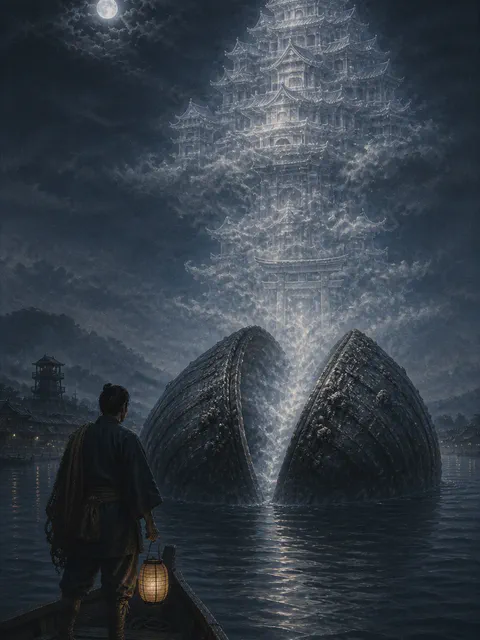
蜃(しん)
Old records describe a creature at the coast whose breath rises over the water and takes the shape of towers. The sources never agreed on what it was — and the Japanese word for a mirage is still its name.
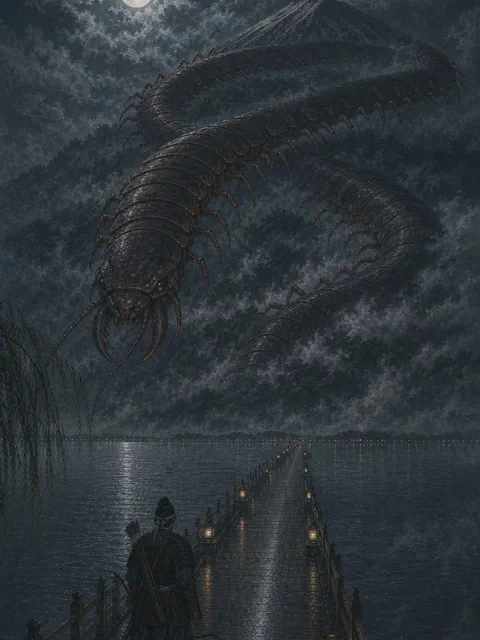
大百足(おおむかで)
A warrior who walked over a serpent lying across the Long Bridge of Seta was asked by the dragon clan for help — because a centipede large enough to wrap a mountain was killing them, and they could not stop it themselves.
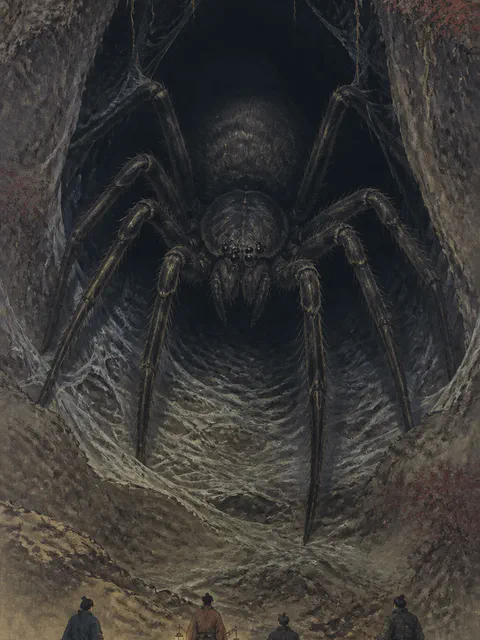
土蜘蛛(つちぐも)
A monk appears at a sick warlord's bedside and throws spider silk at him. That is the tale. But the same word, centuries earlier, was what the court called people it wanted to treat as outsiders.
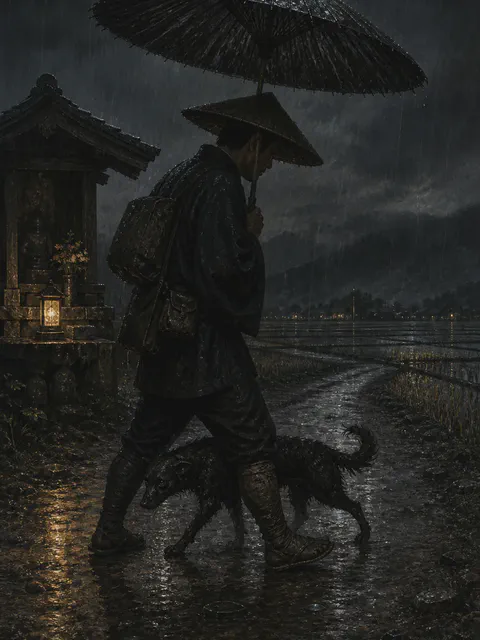
脛擦り(すねこすり)
A naturalist writing a national dictionary of yokai in 1935 gave the Sunekosuri of Oda district about one line: dog shaped, on rainy nights, brushing between a traveller's legs as it passes. Everything else you have read about it came later.
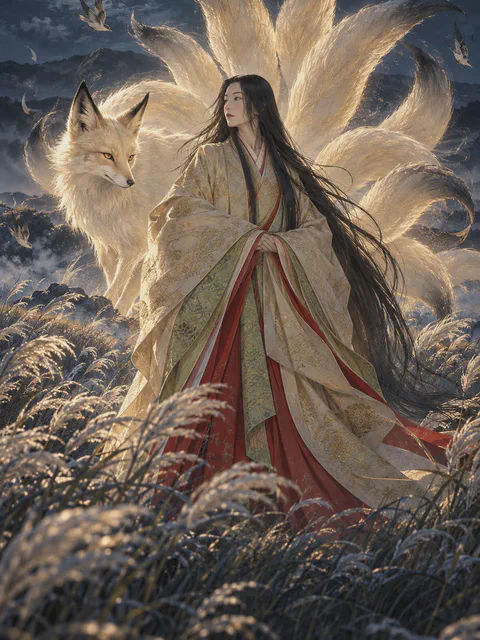
玉藻前(たまものまえ)
In the fifteenth-century tale, Tamamo-no-Mae is the most learned woman at the court of Retired Emperor Toba. He falls ill, divination names her as the cause, and she flees to Nasu as a fox. The killing stone came later.
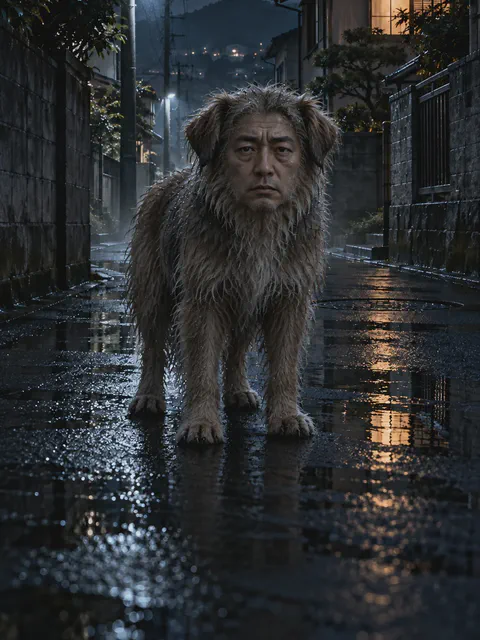
人面犬(じんめんけん)
Jinmenken, the dog with a human face, swept through Japanese children's rumour around 1989–90. A first-grader in Yamagata had his own version: the dog had left Tokyo because people would not stop talking about it.
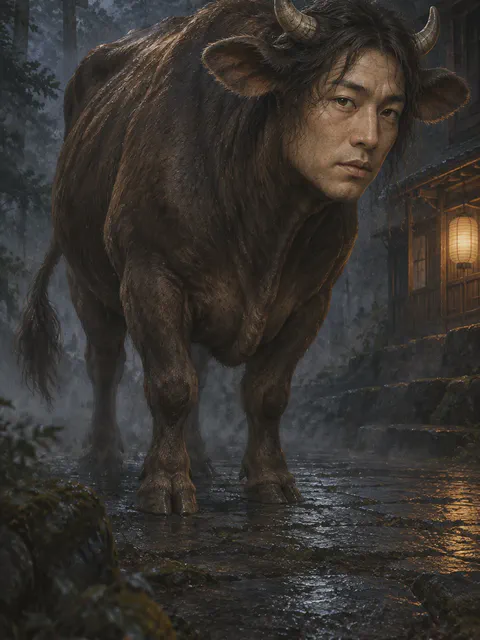
件(くだん)
An 1836 broadsheet from Tango described a kudan — a cow's body with a human face — and promised that any house that put up its picture would prosper. Other kudan of the same century foretold disaster instead.
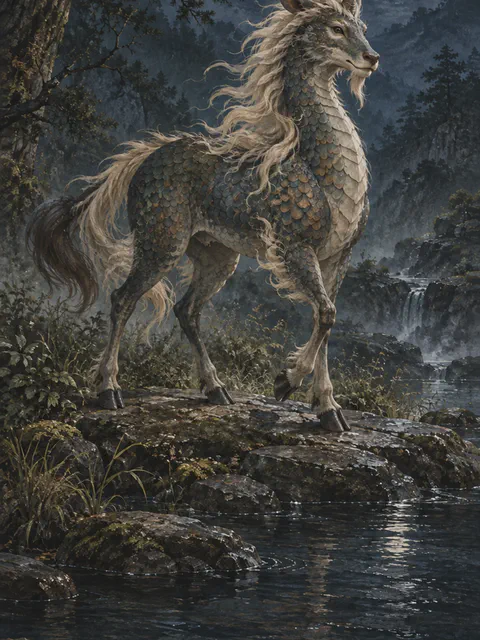
麒麟(きりん)
The kirin is an auspicious beast of Chinese origin, shown in Japanese art from the eighth century: deer-bodied, one-horned, and said to appear only when the world is well governed. It harms no living thing — not even the grass.
鉄鼠(てっそ)
The legend of the Mii-dera monk Raigō: the prayer for Emperor Shirakawa's heir and the refused ordination platform, the Heike monogatari telling that has no rats in it, the Taiheiki's eighty-four thousand rats with iron teeth on Mount Hiei, the small shrines at Mii-dera and Sakamoto, and the name Tesso that Sekien gave it in 1776.