Yokai Night Parade

百鬼夜行

Discover the spirits, monsters, and strange encounters of Japanese folklore.

Explore Yokai

Latest Yokai

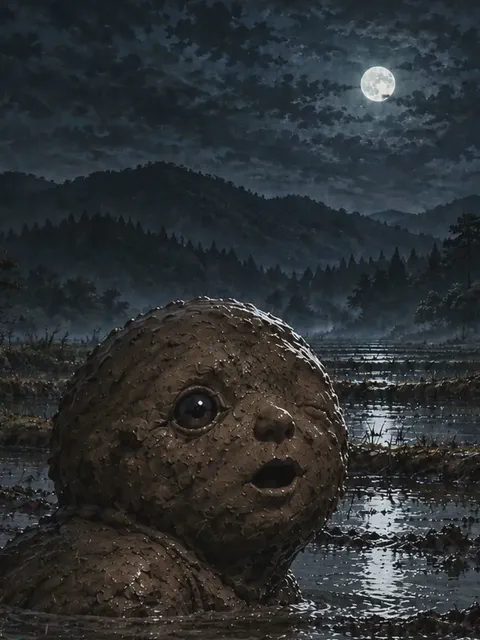
Dorotabō

泥田坊(どろたぼう)

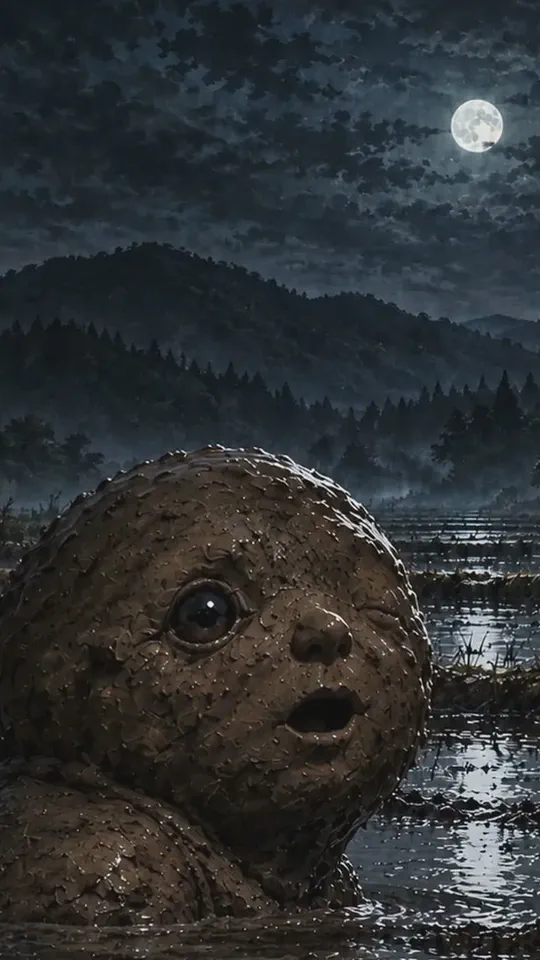
The yokai of a single page: the one-eyed, three-fingered figure in the mud of Sekien's 1781 picture book and its caption about the old man's field, the drinking son and the nightly cry of "Give back the field", with the modern readings that take it for a satire on the pleasure quarter and the later ghost, guardian and cartoon monster built on it.
  • Field
  • Unknown

Danger 1/5 Editorial rating Danger rating 1 out of 5. This is an editorial rating, not a folklore measurement.

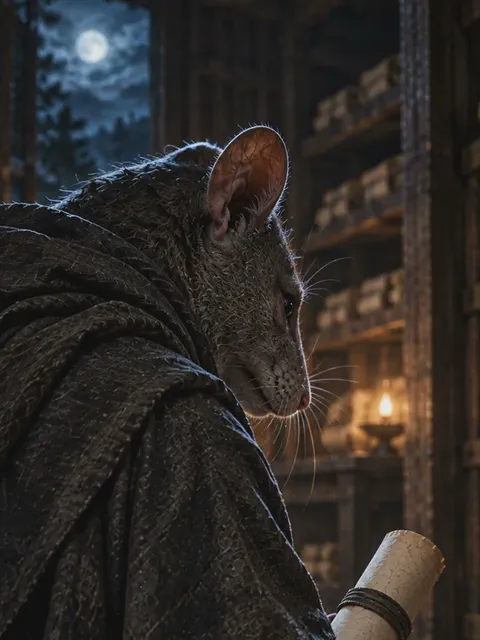
Tesso

鉄鼠(てっそ)

The legend of the Mii-dera monk Raigō: the prayer for Emperor Shirakawa's heir and the refused ordination platform, the Heike monogatari telling that has no rats in it, the Taiheiki's eighty-four thousand rats with iron teeth on Mount Hiei, the small shrines at Mii-dera and Sakamoto, and the name Tesso that Sekien gave it in 1776.

  • Temple or shrine · Mountain
  • Harmful

Danger 3/5 Editorial rating Danger rating 3 out of 5. This is an editorial rating, not a folklore measurement.

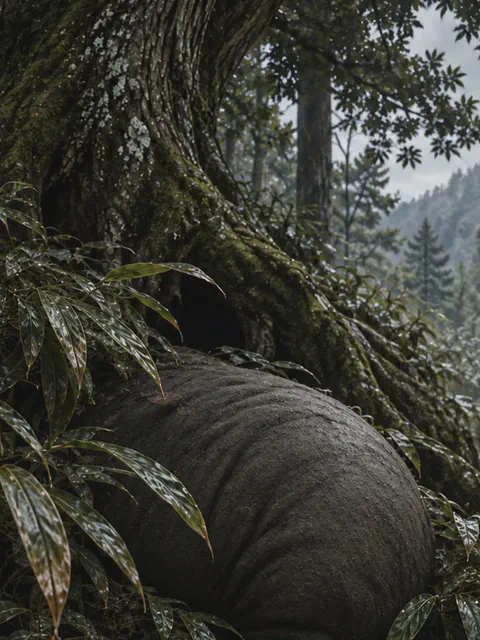
Nozuchi

野槌(のづち)

The yokai with four bodies: the thick, short monster that comes out of the dwarf bamboo in a 1935 Nagano record, the field spirit of the Kojiki, the mouth-only beast a lax monk of Mount Hiei was reborn as, the handle-less mallet of a snake in the Yoshino mountains of 1712, and the rolling nozuchi of Gifu, Nara and Wakayama that the word tsuchinoko later absorbed.

  • Forest · Mountain · Field
  • Mixed

Danger 3/5 Editorial rating Danger rating 3 out of 5. This is an editorial rating, not a folklore measurement.

Shōjō

猩々(しょうじょう)

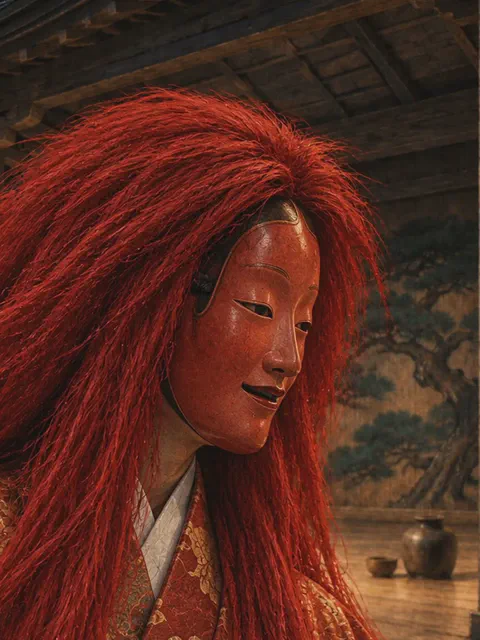
The Noh play's sea spirit that drinks with Kōfū and gives him a jar that never runs dry, the wine-loving beast of the Chinese classics behind it, the red mask and red wig of the stage, the shōjō that board fishing boats off Toyama, and the red-masked figures that chase children at the Nagoya festivals.

  • Sea · Coast
  • Mixed

Danger 2/5 Editorial rating Danger rating 2 out of 5. This is an editorial rating, not a folklore measurement.

Abura-sumashi

油すまし(あぶらすまし)

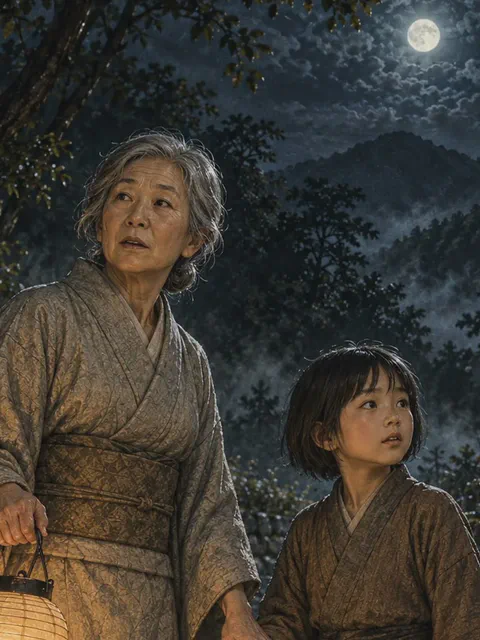
The yokai that answers back: the 1932 Amakusa record of a grandmother telling her grandchild about the thing with the oil bottle on the Kusazumi pass and the voice that said it still comes out, the hand and the head that answered on the Uso pass, the headless stone called Abura-sumashi-don in Kawachi, and the straw-caped figure that came from a comic strip.

  • Mountain · Road
  • Unknown

Danger 1/5 Editorial rating Danger rating 1 out of 5. This is an editorial rating, not a folklore measurement.

Uwan

うわん

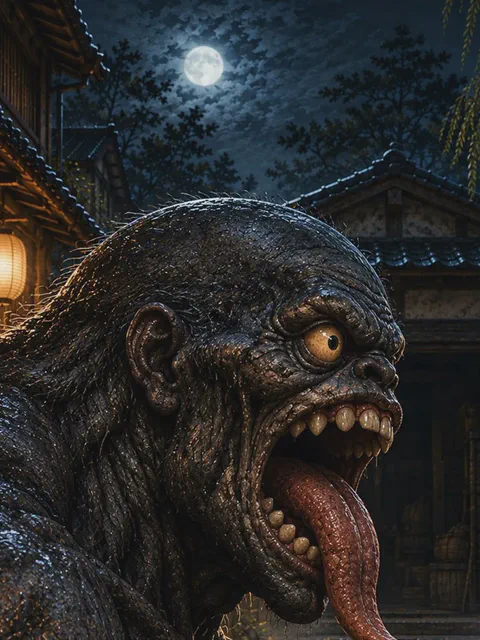
The yokai that is only a picture: the black body, yellow eyes, open mouth and three-clawed hands of an undated scroll in Kyoto, the blackened teeth and raised hands of the 1737 scroll and Sekien's 1776 print, and the scream, the old mansion and the shout-back rule that were invented for it in 1972 and 1974.

  • House
  • Unknown

Danger 2/5 Editorial rating Danger rating 2 out of 5. This is an editorial rating, not a folklore measurement.

View all yokai

About the Project

Yokai Night Parade pairs 30-second folklore shorts with referenced articles. We separate documented tradition from later popular imagery, cite our sources, and label every illustration as a reconstruction — never as a historical image.

Read our editorial policy